Tank’d 2G Disposable: Informational Product Overview
Introduction
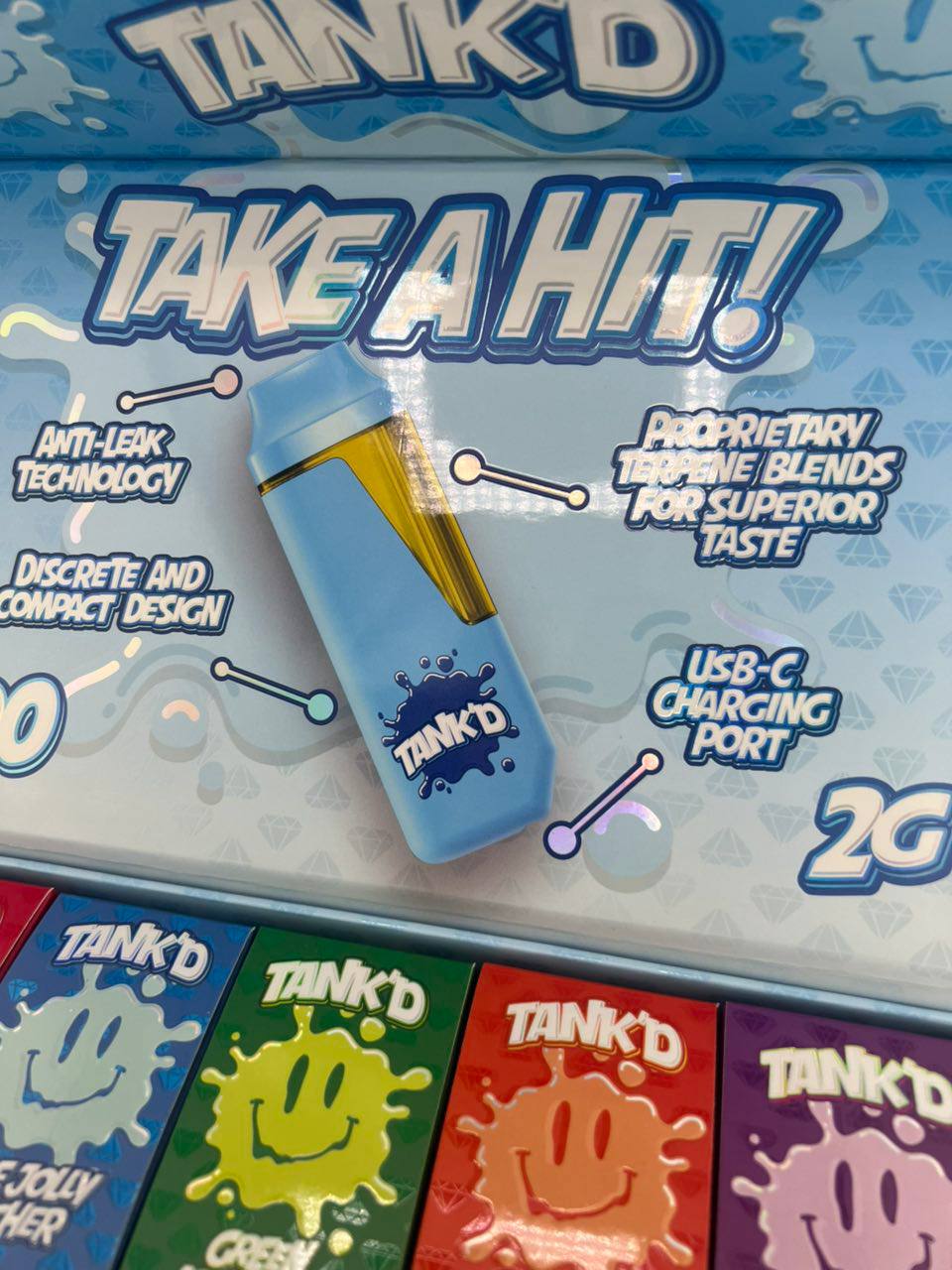
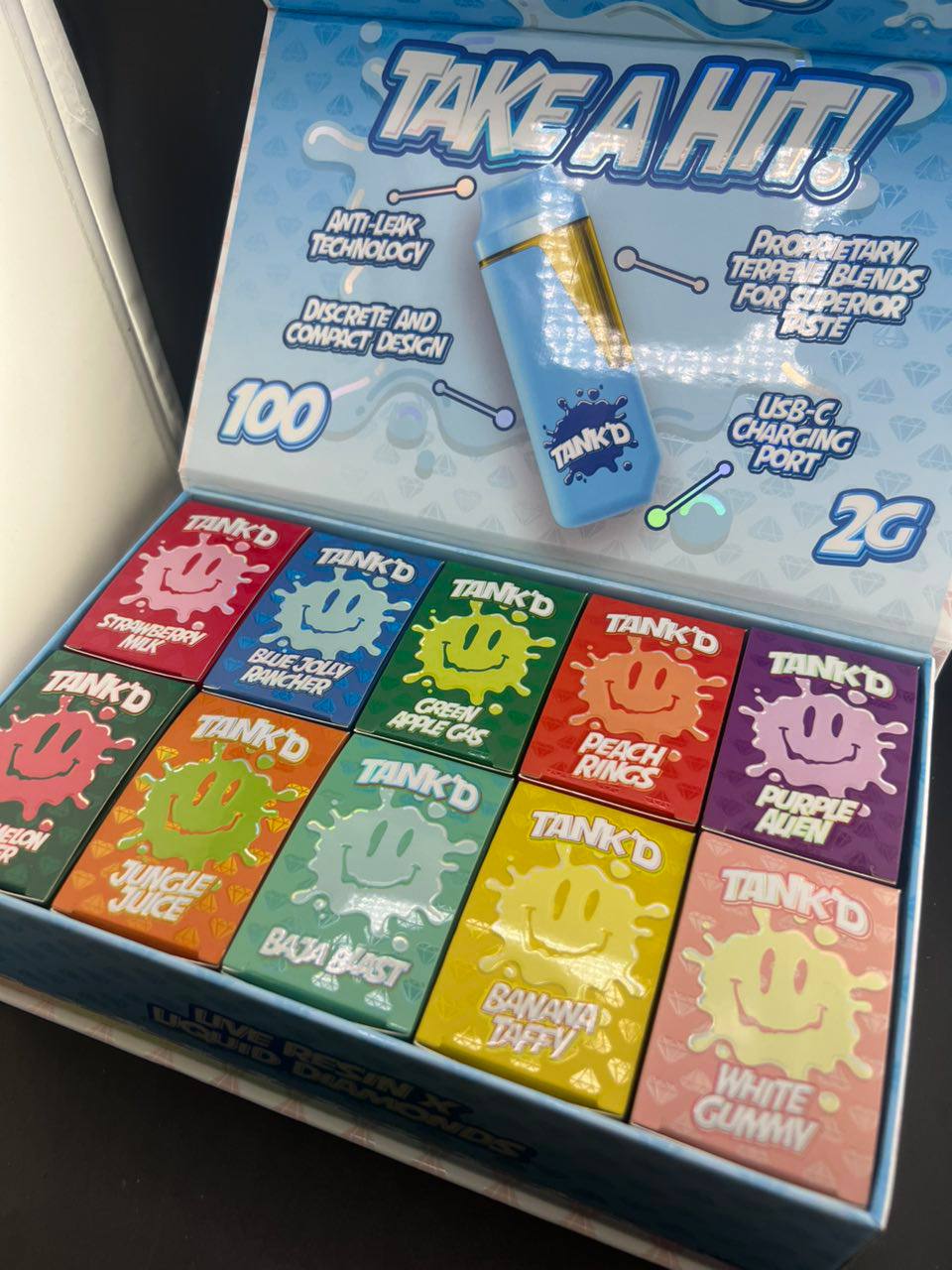
The Tank’d 2G Disposable is a disposable vaporizer device designed to contain approximately 2 grams of cannabis extract. Disposable vape devices have become increasingly common in legal cannabis markets due to their convenience, portability, and ease of use. Unlike refillable vaporizers, disposable units arrive pre-filled and pre-charged, allowing consumers to use the device without additional setup or maintenance.
As the cannabis industry continues to evolve, manufacturers have focused on creating products that balance performance, flavor preservation, battery efficiency, and portability. Devices in the 2-gram category are often selected by consumers seeking a larger capacity compared to traditional 0.5-gram or 1-gram options.
Device Design
The Tank’d 2G Disposable typically follows a compact design philosophy that emphasizes portability. Most disposable vape devices are engineered to fit comfortably in a pocket, purse, or small carrying case. The exterior housing is commonly constructed from lightweight materials that help protect internal components while maintaining ease of transport.
Many modern disposable vaporizers incorporate airflow systems intended to provide consistent vapor production throughout the lifespan of the device. Design improvements across the industry have also focused on reducing clogging and maintaining reliable performance.
Capacity and Storage
One of the most notable features of a 2-gram disposable vape device is its larger reservoir capacity. A higher-capacity device may require fewer replacements compared to smaller disposable alternatives.
Proper storage remains important for maintaining product quality. Excessive heat, direct sunlight, and prolonged exposure to moisture may affect both the cannabis extract and electronic components. Manufacturers generally recommend storing disposable vape products in a cool, dry environment.
Cannabis Extract Considerations
Cannabis vape products may contain a variety of extract types depending on the formulation selected by the manufacturer. Common categories include distillate, live resin, and other concentrated cannabis extracts.
Each extract type possesses unique characteristics related to aroma, flavor, and cannabinoid composition. Consumers often evaluate products based on factors such as terpene profile, cannabinoid content, and overall consistency.
Battery Technology
Battery performance plays an important role in disposable vaporizer functionality. Modern devices often utilize rechargeable or high-capacity battery systems designed to support the full volume of extract contained within the unit.
Consistent power delivery helps maintain stable vapor production and may contribute to a more predictable user experience. Battery efficiency can vary based on device design, usage patterns, and environmental conditions.
Flavor Profiles
Cannabis extracts can exhibit a wide range of flavor characteristics. Depending on the strain source and terpene composition, flavor notes may include fruity, citrus, sweet, earthy, herbal, or pine-like elements.
Terpenes are naturally occurring compounds found in cannabis and many other plants. These compounds contribute significantly to aroma and flavor profiles. As a result, terpene preservation has become a key focus for many extract manufacturers.
Portability and Convenience
Disposable vape devices are often selected because they eliminate the need for separate cartridges, charging cables, or replacement components. This convenience factor has contributed to their popularity in regulated cannabis markets.
Users frequently appreciate the straightforward nature of disposable devices. Since the unit is designed as a single integrated product, maintenance requirements are generally minimal.
Product Quality Considerations
When evaluating cannabis vape products, consumers may consider several factors, including manufacturing standards, ingredient transparency, laboratory testing, and regulatory compliance.
Third-party testing programs are commonly used within regulated markets to verify cannabinoid content and screen for contaminants. Testing procedures may vary by jurisdiction and manufacturer.
Responsible Use
Cannabis products are intended only for adults in jurisdictions where such products are legal. Consumers should review all product labeling, dosage information, and applicable local regulations before use.
Individuals should avoid operating vehicles or heavy machinery while under the influence of cannabis. Products should also be stored securely and kept out of reach of children and pets.
The Tank’d 2G Disposable represents a high-capacity disposable vaporizer format commonly found within legal cannabis markets. Its combination of portability, integrated design, and larger extract capacity reflects broader trends within the vaporizer industry. As with any cannabis product, consumers are encouraged to review product specifications, laboratory testing information, and local regulations before making purchasing decisions.
Understanding Vaporization Technology
Vaporization technology has evolved significantly over the last decade. Early devices often relied on simple heating elements and limited battery capacity. Today, manufacturers continue to refine hardware systems to improve consistency, efficiency, and overall reliability.
A disposable vaporizer functions by heating cannabis extract to a temperature that transforms active compounds into vapor. This process differs from combustion because the material is not burned. Instead, the extract is heated within a controlled environment inside the device.
Several components work together to support this process. The battery supplies power, the heating element generates heat, and the reservoir stores the extract. Airflow channels then allow vapor to travel through the mouthpiece during inhalation.
As technology advances, many devices incorporate features intended to maintain stable temperatures throughout the lifespan of the product. Consistent heating may help preserve flavor characteristics while reducing the likelihood of uneven vapor production.

The Role of Terpenes
Terpenes play a significant role in cannabis products. These naturally occurring compounds contribute to the aromas and flavors associated with different cannabis varieties. They are found not only in cannabis but also in numerous fruits, herbs, flowers, and trees.
For example, citrus fruits contain terpenes that produce bright and refreshing aromas. Pine trees contain compounds responsible for their distinctive scent. Similar compounds can also be present within cannabis plants.
Many consumers pay close attention to terpene profiles when evaluating cannabis extracts. Flavor preferences vary considerably from person to person. Some individuals enjoy sweet and fruity characteristics, while others prefer earthy, herbal, or citrus-forward profiles.
The preservation of terpenes has become an important objective within the extraction industry. Various production techniques are used to maintain aromatic compounds during processing. As a result, modern extracts often provide more complex flavor experiences than earlier generations of cannabis concentrates.
Manufacturing Standards and Quality Control
Quality control procedures are an essential aspect of regulated cannabis production. Licensed manufacturers generally operate within frameworks established by local laws and industry requirements.
Production facilities commonly implement detailed procedures designed to support consistency from batch to batch. These procedures may include equipment calibration, environmental monitoring, ingredient verification, and laboratory analysis.
Cannabis extracts are often tested for cannabinoid content. Additional testing may screen for contaminants such as pesticides, heavy metals, residual solvents, and microbial organisms. The specific testing requirements vary depending on the jurisdiction.
Transparency has become increasingly important within the cannabis industry. Many consumers seek products that provide clear information regarding ingredients, laboratory testing, and manufacturing practices.
Consumer Preferences in the Disposable Vape Category
Consumer preferences continue to shape product development throughout the cannabis sector. Convenience remains one of the primary factors influencing demand for disposable vape devices.
Many users appreciate products that require little preparation. Disposable units eliminate several steps associated with refillable systems, making them attractive to individuals who prioritize simplicity.
Portability is another commonly cited factor. Compact designs allow devices to be transported easily while occupying minimal space. Consequently, manufacturers often focus on creating streamlined products that balance capacity with portability.
Battery performance also influences purchasing decisions. A well-designed power system can help ensure that the device remains functional throughout its intended lifespan. Manufacturers therefore continue to invest in battery technology that supports larger extract capacities.
Storage and Handling Recommendations
Proper storage practices can help maintain the quality of cannabis products. Environmental conditions may influence both the extract and the electronic components within a disposable vaporizer.
Excessive heat can affect viscosity and potentially alter flavor characteristics over time. Direct sunlight may also contribute to degradation of certain compounds. For this reason, products are commonly stored in cool, dry locations away from prolonged exposure to heat sources.
Moisture can affect electronic components and packaging integrity. Consequently, storage environments with moderate humidity levels are generally preferred.
Maintaining the original packaging may provide additional protection during storage. Product labels often contain important information regarding ingredients, testing data, and usage instructions.
Industry Trends and Innovation
The cannabis vaporizer market continues to evolve as manufacturers introduce new technologies and design improvements. Innovation occurs across multiple areas, including hardware engineering, extraction methods, and battery performance.
Many companies focus on improving airflow systems. Enhanced airflow may contribute to smoother vapor production and more consistent device operation. Similarly, advancements in heating technology aim to support efficient vaporization while preserving flavor integrity.
Battery innovations remain a major area of development. Larger-capacity devices require power systems capable of supporting extended use. As a result, manufacturers frequently explore solutions that balance performance, safety, and reliability.
Another trend involves increased attention to sustainability. Industry participants continue to evaluate materials, packaging options, and recycling initiatives that may reduce environmental impact.
The Importance of Product Information
Accurate product information helps consumers make informed decisions. Labels often provide details regarding cannabinoid content, ingredients, manufacturing dates, and laboratory testing.
Consumers may compare products based on several characteristics, including extract type, terpene profile, hardware design, and capacity. Access to transparent information supports more informed product evaluation.
Educational resources have also become increasingly important. Many consumers seek reliable information regarding extraction processes, vaporization technology, and cannabis terminology. Manufacturers, retailers, and industry organizations frequently provide educational materials to support consumer understanding.
Looking Ahead
The future of cannabis vaporization technology will likely involve continued refinement of existing systems. Manufacturers are expected to focus on reliability, consistency, and user experience while adapting to evolving regulations and consumer expectations.
Research and development efforts continue to explore improved extraction methods, enhanced flavor preservation, and more efficient hardware designs. These advancements may contribute to broader product diversity and increased innovation throughout the industry.
As the legal cannabis market expands in various regions, consumers can expect ongoing developments in device technology, product transparency, and quality assurance practices. The Tank’d 2G Disposable exists within this broader landscape of innovation, reflecting many of the trends that currently shape the modern cannabis vaporizer category.
Frequently Discussed Features of High-Capacity Disposable Vaporizers
High-capacity disposable vaporizers have attracted attention because they combine convenience with extended usage potential. While individual products differ in design and specifications, several features are commonly discussed within the category.
Larger extract reservoirs often reduce the need for frequent replacement compared to smaller-capacity devices. This characteristic appeals to consumers who prefer a longer-lasting product format.
Manufacturers also focus on balancing capacity with portability. Despite containing more extract, many modern devices remain compact enough for everyday transport. Consequently, engineering teams continually refine internal layouts to maximize efficiency while maintaining a comfortable form factor.
Another commonly discussed feature is airflow optimization. Airflow design can influence vapor production and overall device performance. Therefore, manufacturers frequently evaluate airflow pathways during product development.
Understanding Cannabinoids
Cannabinoids are naturally occurring compounds found within cannabis plants. Researchers have identified numerous cannabinoids, each possessing unique characteristics and chemical structures.
Among the most widely recognized cannabinoids are tetrahydrocannabinol (THC) and cannabidiol (CBD). These compounds have been the subject of extensive research and consumer interest.
Cannabinoid concentrations vary depending on plant genetics, cultivation methods, and extraction processes. As a result, products may contain different cannabinoid profiles even when produced from similar plant material.
Laboratory analysis is often used to determine cannabinoid content. Testing helps provide information regarding product composition and supports compliance with applicable regulations.
Extraction Methods and Product Development
The creation of cannabis extracts involves several stages. Producers typically begin with carefully selected plant material before utilizing extraction methods designed to separate desirable compounds from the raw plant.
Various extraction techniques are used throughout the industry. Each method presents unique advantages and considerations related to efficiency, compound preservation, and final product characteristics.
Following extraction, additional refinement processes may be performed depending on the desired outcome. These processes can influence cannabinoid concentration, clarity, consistency, and flavor profile.
Quality assurance measures are commonly integrated throughout production. Testing and verification procedures help maintain consistency while supporting regulatory compliance requirements.
Flavor Preservation Strategies
Flavor preservation remains a significant objective within the cannabis extract sector. Consumers often associate product quality with aroma and flavor characteristics, making preservation efforts especially important.
Manufacturers employ different strategies to protect aromatic compounds during production and storage. Temperature control, handling procedures, and packaging choices can all influence flavor retention.
Additionally, advancements in extraction technology have contributed to improved terpene preservation. Consequently, many contemporary cannabis extracts exhibit more detailed and recognizable flavor profiles.
Packaging also plays a role in maintaining product quality. Protective materials may help shield extracts from environmental factors that could contribute to degradation over time.
Portability in Modern Device Design
Portability continues to influence product design across the vaporizer market. Consumers frequently seek devices that can be carried comfortably without sacrificing functionality.
Compact dimensions remain a key design objective. Engineers often work to minimize overall size while accommodating batteries, heating systems, and extract reservoirs within the device housing.
Weight distribution is another important consideration. Balanced designs may improve comfort during handling and transportation. Therefore, manufacturers frequently evaluate ergonomics during product development.
Protective construction also contributes to portability. Durable materials can help safeguard internal components while maintaining a lightweight structure.
Consumer Education and Awareness
As the cannabis industry grows, educational resources have become increasingly valuable. Consumers often seek information regarding cannabinoids, terpenes, extraction methods, and device operation.
Educational initiatives help explain industry terminology and production processes. Furthermore, they provide context regarding how different product categories compare with one another.
Many manufacturers and retailers now emphasize transparency and consumer awareness. Product labels, laboratory reports, and informational materials allow consumers to better understand the products available within regulated markets.
Reliable information supports informed decision-making. Therefore, educational content continues to play a significant role throughout the cannabis sector.

Regulatory Considerations
Cannabis regulations differ substantially between jurisdictions. Laws governing cultivation, manufacturing, testing, packaging, labeling, and distribution vary based on local requirements.
Manufacturers operating within regulated markets must typically comply with specific standards established by governing authorities. These standards often address product safety, testing procedures, and consumer information requirements.
Packaging regulations may include requirements related to warning statements, ingredient disclosures, and child-resistant features. Compliance helps support product transparency and consumer protection objectives.
As regulations continue to evolve, industry participants frequently adapt procedures to align with changing legal frameworks.
Sustainability and Environmental Awareness
Environmental considerations have become increasingly relevant across numerous industries, including cannabis. Manufacturers continue exploring opportunities to improve sustainability throughout production and packaging processes.
Material selection represents one area of focus. Some companies investigate alternative packaging solutions that may reduce environmental impact while maintaining product protection.
Recycling initiatives have also gained attention. Although implementation varies by region, discussions surrounding responsible Tank’d 2G Disposable and material recovery continue throughout the industry.
Sustainability efforts often involve balancing environmental goals with product quality, safety, and regulatory requirements. Consequently, ongoing research and innovation remain important.
Market Evolution and Consumer Expectations
Consumer expectations continue to influence product development across the cannabis marketplace. Demand for quality, consistency, transparency, and convenience has encouraged manufacturers to refine products and processes.
Advancements in extraction techniques have expanded the variety of concentrates available. At the same time, improvements in vaporizer technology have enhanced device performance and reliability.
Information accessibility has also increased. Consumers now have greater access to educational resources, product specifications, and laboratory testing data than ever before.
As the market evolves, innovation is likely to remain a defining characteristic of the cannabis industry. Manufacturers, researchers, and regulators continue contributing to a landscape shaped by technological progress and changing consumer preferences.
Final Thoughts
The Tank’d 2G Disposable represents a product format within the broader category of cannabis vaporization devices. Its design reflects industry trends focused on portability, convenience, capacity, and ease of use.
Understanding the technology, extraction processes, cannabinoid profiles, and quality considerations associated with disposable vaporizers can provide valuable context for those interested in learning about this product category. As innovation continues throughout the cannabis sector, advancements in hardware design, manufacturing practices, and product transparency are expected to remain important areas of development.


Reviews
There are no reviews yet.